
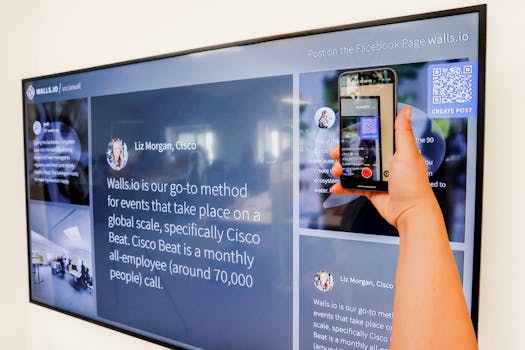
Remember the days of frantic barcode scanning, the endless hunt for misplaced stock tags, or the fumbling with paper menus? For many in the retail world, these are still daily realities. But what if there was a simple, elegant solution that could untangle these operational knots, boost customer experience, and ultimately, help you streamline store operations with QR codes for retail? The answer, surprisingly accessible and powerfully effective, lies in the humble QR code. Once relegated to obscure marketing links, QR codes are now emerging as indispensable tools for modern retailers, transforming how businesses function from the stockroom to the shop floor.
Imagine a customer effortlessly accessing detailed product information with a quick phone scan, or a staff member instantly updating inventory levels without a cumbersome handheld device. This isn’t science fiction; it’s the tangible benefit of integrating QR codes into your retail ecosystem. Let’s dive into the practical, game-changing ways these scannable squares can elevate your business.
The QR Code Revolution: More Than Just a Link
The power of QR codes lies in their versatility. They are essentially two-dimensional barcodes that can store a wealth of information, from website URLs and contact details to complex data sets. In a retail context, this translates into immediate access to information and action-oriented capabilities. Unlike traditional linear barcodes primarily used for price lookup, QR codes open a dynamic gateway, allowing for interaction and richer data exchange. This capacity is precisely what makes them so potent for streamlining operations.
The initial hurdle often perceived is the technology itself, but the reality is far simpler. Most smartphones today have built-in QR code readers, meaning your customers and staff likely already possess the necessary tools. The true innovation comes from how strategically you deploy these codes.
Enhancing the Customer Journey with Scannable Solutions
Customer experience is paramount. A smooth, intuitive shopping journey can be the differentiator that brings shoppers back. QR codes excel at bridging the gap between the physical and digital, offering convenience and depth without overwhelming your customers.
Instant Product Information: Place QR codes on product shelves or hang tags. Customers can scan them to access detailed specifications, user manuals, reviews, complementary product suggestions, or even augmented reality (AR) experiences that show the product in their own space. This empowers customers and frees up sales associates for more complex interactions.
Interactive Menus and Catalogs: For businesses with extensive product lines or service offerings, physical catalogs and menus can become outdated quickly. QR codes can link to dynamic digital versions, ensuring customers always have the most current information. This is particularly useful in apparel, electronics, or even restaurant settings within a larger retail space.
Loyalty Program Access: Simplify sign-ups and access to loyalty programs. A quick scan can direct customers to a digital loyalty card, offering points, discounts, or exclusive content without the need for physical cards or lengthy sign-up forms.
Want more like this? crackstube.com is a good place to keep exploring.
Behind the Scenes: Optimizing Back-of-House Efficiency
The impact of QR codes extends far beyond the customer-facing areas. They are powerful allies in optimizing the often-invisible but critical back-of-house operations, helping to truly streamline store operations with QR codes for retail.
Inventory Management Made Simple: Assigning QR codes to individual items or bins allows for incredibly efficient inventory tracking. Staff can scan items as they are received, moved, or sold, updating inventory levels in real-time. This significantly reduces manual data entry errors and provides accurate stock counts at any moment. This is a core aspect of how you can streamline store operations with QR codes for retail.
Efficient Receiving and Shipping: Generate QR codes for incoming shipments that link to order details. Similarly, create codes for outgoing packages that contain tracking information. This speeds up processing, reduces mislabeling, and improves accuracy.
Staff Training and Onboarding: Create QR codes for training modules, safety procedures, or product knowledge guides. New staff can quickly access essential information on demand, reducing training time and ensuring consistent understanding. Imagine a new associate scanning a code on a particular product to instantly pull up its key selling points and troubleshooting tips.
Streamlining Payments and Feedback Loops
The final touchpoints in the retail journey – payment and post-purchase interaction – can also be significantly enhanced.
Contactless and Express Payments: While mobile payment systems are prevalent, QR codes can offer an alternative or supplementary method. Customers can scan a code at the point of sale to initiate a payment process through a preferred app, or even to request a digital receipt. This can speed up checkout lines and cater to diverse customer preferences.
Gathering Customer Feedback: After a purchase, a QR code on the receipt can link directly to a short, mobile-friendly survey. This makes it easy for customers to provide valuable feedback on their experience, helping you identify areas for improvement and celebrate successes. Collecting this data in real-time is a significant operational advantage.
Implementing QR Codes: Practical Steps for Success
Adopting QR codes doesn’t require a complete overhaul of your existing systems. Here’s how to get started effectively:
- Identify Your Pain Points: Where are your current operational bottlenecks? Which processes are inefficient or prone to error? Focus your QR code implementation on these areas first.
- Choose the Right QR Code Generator: Many free and paid online tools allow you to create custom QR codes. Opt for generators that offer dynamic QR codes, which allow you to change the linked content later without reprinting the code.
- Link to Valuable Content: Ensure the information or action linked to your QR code is relevant, accurate, and easy to access on a mobile device. Test every link thoroughly.
- Strategic Placement: Think about where your customers and staff will encounter the codes. Ensure they are visible, accessible, and clearly labeled with what the code does.
- Educate Your Staff: Train your employees on how QR codes work, where they are placed, and how they benefit the business. Their understanding and endorsement are crucial for successful adoption.
Final Thoughts: The Future is Scannable
The retail landscape is constantly evolving, demanding agility and innovation. By embracing QR codes, you’re not just adopting a new technology; you’re investing in a more efficient, customer-centric, and future-ready business model. The ability to streamline store operations with QR codes for retail is no longer a distant possibility but a present-day reality for forward-thinking businesses.
From simplifying inventory management and boosting staff productivity to enriching customer interactions and accelerating transactions, the applications are vast and impactful. The question isn’t if QR codes will become integral to retail, but rather, how quickly will you harness their power to gain a competitive edge?