
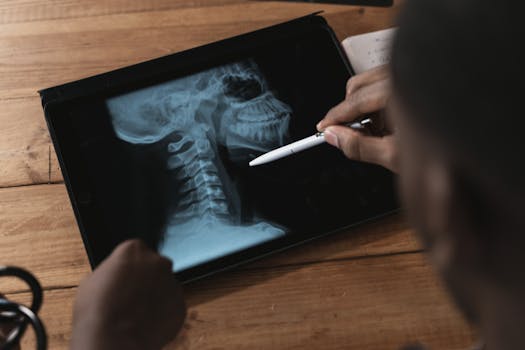
Let’s face it, the world of medical devices can feel like navigating a labyrinth blindfolded, armed only with a regulatory handbook. You’ve got a brilliant idea, a groundbreaking technology, a device that could genuinely change lives. But then reality bites. Suddenly, you’re drowning in FDA submissions, ISO standards, and the ever-present threat of market access delays that feel longer than a hospital waiting room. Many assume medical device consulting is solely about ticking boxes for regulatory approval. While that’s a monumental part of it, it’s like saying a Michelin-starred chef’s job is just about washing dishes. There’s so much more nuance, strategy, and frankly, art involved.
So, What Exactly Is Medical Device Consulting, Anyway?
In essence, medical device consulting is bringing in seasoned experts to guide you through the complex journey of bringing a medical device from concept to clinic. Think of them as your highly knowledgeable sherpas, guiding you up Mount Regulatory. They possess the deep understanding of the industry’s intricate pathways, the whispers of upcoming changes, and the secret handshakes with regulatory bodies that you, as a brilliant innovator, might not have the time, bandwidth, or sheer inclination to acquire. It’s about leveraging external brainpower to accelerate your progress and, more importantly, reduce the risk of costly missteps.
More Than Just Paperwork: The Strategic Advantage
While FDA clearance or CE marking is often the immediate goal, true medical device consulting offers a far broader strategic advantage. These consultants aren’t just form-fillers; they’re strategic partners. They can help you:
Refine your product roadmap: Is your device truly solving an unmet need? How can it be enhanced for better market adoption?
Develop a robust market entry strategy: Understanding your target audience, competitive landscape, and reimbursement pathways is crucial before you launch.
Optimize your supply chain and manufacturing processes: Ensuring quality and scalability from day one is paramount.
Build a solid quality management system (QMS): This isn’t just a compliance necessity; it’s the bedrock of a successful and sustainable medical device company.
I’ve seen brilliant engineers get so caught up in the technical brilliance of their device that they overlook the fundamental market needs. A good consultant acts as that vital reality check, ensuring the innovation aligns with real-world demand and practical implementation.
Navigating the Regulatory Rapids Without Capsizing
Let’s talk about the elephant in the room: regulations. The FDA in the US, the MDR/IVDR in Europe, and countless other global bodies have rules that can make your head spin faster than a centrifuge. This is where the real magic of specialized medical device consulting shines. They help you:
Classify your device correctly: This is the first hurdle, and getting it wrong can lead to unnecessary delays and expenses. Is it a Class I, II, or III device? Each has a different pathway.
Prepare and submit documentation: This includes everything from pre-submission meetings and 510(k)s to Pre-Market Approval (PMA) applications. The devil is truly in the details here.
Establish and maintain a robust QMS (Quality Management System): Think ISO 13485. It’s not just a document; it’s a living system that ensures your device is safe and effective throughout its lifecycle.
Understand post-market surveillance requirements: The work doesn’t end once your device is on the market. Ongoing monitoring and reporting are critical.
Trying to decipher these complex requirements on your own is akin to performing open-heart surgery with a butter knife. It’s possible, but the odds are… not in your favor.
Want more like this? crackstube.com is a good place to keep exploring.
Avoiding the “Oops!” Moments: The Value of Experience
One of the most significant benefits of bringing in experienced consultants is their ability to help you avoid those soul-crushing, budget-busting “Oops!” moments. These aren’t just minor hiccups; they can be catastrophic.
Misinterpreting clinical data: Are your study results robust enough? Have you accounted for all potential confounding factors?
Inadequate risk management: Have you thoroughly identified, assessed, and mitigated all potential risks associated with your device? This is a huge focus for regulators.
Poorly designed user interfaces: A device might be technically perfect, but if it’s confusing or difficult for healthcare professionals or patients to use, its success is jeopardized.
Underestimating manufacturing challenges: Scaling up production can introduce entirely new quality issues if not planned for meticulously.
A seasoned consultant has likely seen these pitfalls before, perhaps even navigated them for other clients, and can steer you clear with a knowing nod and a well-placed suggestion. It’s the difference between learning from your own expensive mistakes and learning from someone else’s.
What to Look for in a “Medical Device Consulting” Partner
So, you’re convinced. You need help. But how do you choose the right partner? It’s not a one-size-fits-all scenario. Look for consultants who:
Have a proven track record: Ask for references and case studies. What specific successes have they achieved?
Specialize in your device type or therapeutic area: A consultant with deep experience in cardiovascular devices might not be the best fit for a complex in-vitro diagnostic.
Demonstrate strong communication skills: They should be able to explain complex topics clearly and concisely, making you feel informed, not bewildered.
Offer a collaborative approach: They should feel like an extension of your team, not an external auditor.
* Understand your budget and timeline: They should be realistic about what can be achieved and at what cost.
Don’t just hire a resume; hire a relationship built on trust and expertise.
Final Thoughts: Empowering Innovation Through Partnership
Ultimately, medical device consulting is about more than just compliance. It’s about unlocking potential, accelerating timelines, and ensuring that life-changing innovations reach the patients who need them safely and effectively. It’s an investment, yes, but one that can save you immeasurable time, money, and stress, while dramatically increasing your chances of success. Think of it as buying a superpower: the superpower of navigating the medical device landscape with confidence and competence.
So, as you embark on your next groundbreaking medical device venture, ask yourself: are you ready to tackle the labyrinth alone, or are you ready to embrace a partner who can illuminate the path and ensure you arrive at your destination, not just intact, but triumphant?