
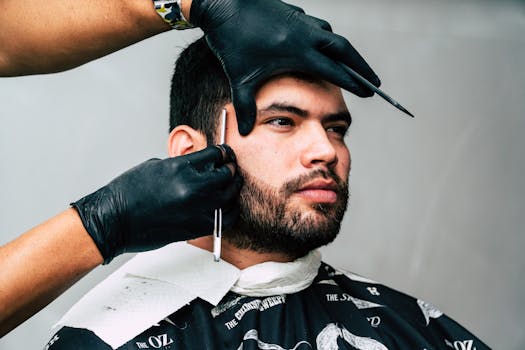
Let’s cut to the chase: the idea of a fuller, more defined beard can be incredibly appealing. For many, a sparse beard isn’t just a cosmetic concern; it can impact confidence and self-perception. While the term “beard transplant” might conjure images of instant, miraculous transformations, the reality is a bit more nuanced. It’s a surgical procedure, and like any procedure, it requires careful consideration, realistic expectations, and a thorough understanding of what’s involved. This isn’t about quick fixes; it’s about a considered approach to enhancing your natural features.
Who Actually Benefits from a Beard Transplant?
Not everyone is a prime candidate, and that’s okay. Understanding your suitability is the first, most critical step. A beard transplant involves harvesting hair follicles, typically from the back or sides of your head – areas where hair growth is genetically programmed to be permanent. These follicles are then meticulously transplanted to the areas of your face where you desire more density or coverage.
Here’s who generally stands to gain the most:
Individuals with naturally sparse beard growth: If you’ve always had patchy areas, a beard transplant can significantly improve density.
Those with scars or alopecia affecting facial hair: Gaps from injuries or conditions can often be effectively addressed.
Men seeking to reshape or define their beard line: This procedure can create a more sculpted and aesthetically pleasing silhouette.
Individuals with realistic expectations: This is paramount. The goal is to enhance, not to create a completely different beard than your natural growth pattern allows.
Conversely, if you’re experiencing sudden hair loss or have underlying scalp conditions, it’s crucial to address those first. A consultation with a qualified surgeon will help determine if a transplant is the right solution for you.
The Science Behind the Scaffolding: Understanding Follicular Unit Extraction (FUE)
The dominant technique for beard transplants today is Follicular Unit Extraction (FUE). It’s a meticulous process, and knowing the basics can help you feel more in control.
During FUE:
Donor Area Harvest: Individual hair follicles are carefully extracted from the donor site (usually the scalp) using tiny, specialized instruments. This leaves virtually imperceptible dots where the follicles were removed.
Graft Preparation: The harvested follicles are then prepared under magnification by a skilled technician, ensuring each graft is viable.
Recipient Site Implantation: The surgeon makes tiny incisions in the beard area at precise angles and depths to mimic natural hair growth patterns. The prepared grafts are then carefully placed into these recipient sites.
This method is favored because it’s less invasive than older techniques, leads to quicker recovery, and allows for a more natural-looking distribution of hair. It’s this attention to detail in placement that truly makes the difference between a good result and a great one.
Navigating the Recovery: What to Expect Post-Procedure
The recovery period is where patience becomes your greatest ally. Immediately after the procedure, the transplanted areas will likely appear red and might have some minor swelling. You’ll see tiny scabs form around the implanted follicles.
We dig into a lot more like this over at crackstube.com, if you’re curious.
Here’s a general timeline to keep in mind:
First Few Days: Expect some mild discomfort, which is easily managed with prescribed pain medication. You’ll likely be advised to avoid touching or rubbing the transplanted areas.
Week 1-2: The scabs will gradually fall off. The transplanted hairs might also start to shed – this is completely normal and part of the process. It doesn’t mean the follicles haven’t taken root.
Months 2-4: New hair growth will begin to emerge, often initially appearing fine and sparse. This is the exciting phase where you start seeing the results materialize.
6-12 Months: The beard will continue to thicken and mature, reaching its final, natural-looking density.
It’s vital to follow your surgeon’s post-operative instructions diligently. This includes specific washing techniques, avoiding strenuous activity, and any necessary medication. Skipping these steps can compromise the outcome.
Crafting the Natural Look: The Artistry of Beard Transplantation
Achieving a natural look is the ultimate goal, and it’s a blend of science and artistry. The surgeon’s skill in placing each follicle is paramount. They need to consider:
Angulation: How each hair grows out of the skin is crucial for a natural appearance.
Direction: The flow and direction of the beard hair will vary across different parts of the face.
Density: Creating a look that’s full but not overly uniform, mimicking natural growth patterns.
Facial Structure: How the transplanted beard complements your existing facial features.
Many clinics use advanced imaging and design tools to create a personalized blueprint for your new beard before the procedure even begins. This collaborative approach ensures you’re on the same page with your surgeon regarding the desired aesthetic. Don’t underestimate the importance of choosing a clinic with a proven track record in aesthetic beard restoration.
Beyond the Procedure: Long-Term Care and Maintenance
Once your beard has fully grown in, it’s essentially your own hair. This means it requires normal care and maintenance.
Washing and Conditioning: Regular washing with a gentle beard shampoo and conditioner will keep it healthy and soft.
Trimming and Styling: You can trim and style your beard just as you would any natural beard.
Beard Oils and Balms: These can help nourish the hair and skin beneath, keeping everything healthy and manageable.
The transplanted hairs are permanent, meaning they will continue to grow for your lifetime. You won’t need touch-ups for the transplanted follicles themselves, though the natural aging process might affect surrounding hair over many years.
Final Thoughts: Your Beard Transplant Journey Starts with Informed Decision-Making
Ultimately, a beard transplant can be a transformative procedure for the right candidate. It’s about enhancing your natural look with realistic expectations and a commitment to the process. The key takeaway? Do your homework. Research reputable surgeons, understand the FUE technique, and have an open, honest conversation about your goals and what’s achievable. Your journey to a fuller beard is a considered one, and starting with thorough information will lead to the most satisfying results.