
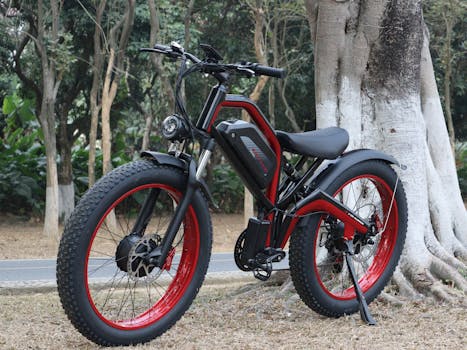
Remember the guttural roar of a combustion engine echoing through the trails? For many of us, that sound is synonymous with off-road freedom. But what happens when that roar is replaced by a whisper, a hum, or even silence? The advent of the electric dirt bike is more than just a technological shift; it’s a fundamental reimagining of what off-road riding can be. It begs the question: are these silent steeds poised to conquer our beloved trails, or are they a niche curiosity? Let’s delve into the implications.
Beyond the Hype: What’s Really Under the Hood?
The initial allure of an electric dirt bike often centers on its quiet operation. This isn’t just about personal preference; it has significant practical consequences. Reduced noise pollution means access to trails that were previously off-limits due to community complaints. Furthermore, it opens up possibilities for riding in sensitive environmental areas where noise can disrupt wildlife. But noise is just the tip of the iceberg.
The instant torque delivered by electric motors is another game-changer. Unlike gasoline engines that need to rev up to reach their peak power, electric bikes deliver maximum torque from a standstill. This translates to exhilarating acceleration and a responsiveness that can feel almost telepathic to the rider. It’s a sensation that’s hard to describe until you’ve experienced it firsthand.
#### The Power-to-Weight Dilemma
One of the persistent challenges for electric dirt bikes has been battery weight. Early models often felt heavy and cumbersome, negating some of the agility benefits. However, battery technology is rapidly advancing. We’re seeing lighter, denser battery packs that offer longer run times and more usable power without significantly compromising the bike’s handling. It’s a continuous balancing act for manufacturers, and one they’re increasingly getting right.
Environmental Footprints: A Greener Ride?
The environmental argument for electric dirt bikes is compelling, but it’s not as simple as “zero emissions” implies. Yes, at the point of use, there are no tailpipe emissions. This is a monumental advantage for air quality, especially in recreational areas. Imagine riding through a forest without that ever-present whiff of exhaust. It’s a cleaner, fresher experience for everyone.
However, the overall environmental impact depends heavily on how the electricity is generated. If your power comes from renewable sources like solar or wind, then the entire lifecycle of your ride is remarkably clean. If it’s primarily from fossil fuels, the picture becomes more complex, shifting the emissions upstream to the power plants.
#### The Lifecycle of Batteries: A Crucial Consideration
If you’re enjoying this, crackstube.com has plenty more worth a look.
We also can’t ignore the manufacturing and disposal of batteries. The extraction of raw materials and the processes involved in battery production have their own environmental costs. Responsible recycling and advancements in battery chemistry are therefore crucial for ensuring that electric dirt bikes truly represent a sustainable future for off-road motorsports. It’s something riders and manufacturers alike need to be mindful of.
Performance Evolution: Closing the Gap
For a long time, electric dirt bikes were perceived as underpowered alternatives, perhaps suitable for beginners or casual trail riding. That perception is rapidly becoming outdated. High-performance electric dirt bikes are now competing with, and in some cases surpassing, their gasoline counterparts in terms of acceleration, agility, and even top speed in certain racing disciplines.
The maintenance aspect is also a significant draw. With fewer moving parts – no oil changes, no spark plugs, no complex exhaust systems – the upkeep is dramatically simplified. This translates to more time on the trails and less time in the garage. For many riders, this reduction in mechanical complexity is a huge selling point.
#### Range Anxiety: Still a Hurdle?
Despite improvements, range anxiety remains a valid concern for some. While shorter trail rides might be perfectly manageable, epic backcountry adventures or multi-day events can still be challenging. Battery swap systems are emerging as a potential solution, allowing riders to quickly exchange a depleted battery for a fully charged one. The development of faster charging technology is also chipping away at this limitation.
The Future is Electric: What Lies Ahead?
The trajectory of electric dirt bikes is undeniably upward. As battery technology continues to mature and charging infrastructure expands, we’re likely to see even greater adoption. Expect further innovations in motor efficiency, regenerative braking systems that recapture energy, and lighter, more integrated designs.
The electric dirt bike is no longer a novelty; it’s a serious contender in the off-road landscape. It offers a compelling blend of performance, environmental benefits, and a unique riding experience. The question isn’t really if they will become mainstream, but how quickly and how they will reshape the culture of off-road riding.
Wrapping Up: Embracing the Shift
The electric dirt bike represents a significant evolution, promising quieter trails, exhilarating performance, and a potentially greener footprint. While challenges like battery weight and range persist, the pace of innovation is astounding. For those considering the switch or simply curious about this silent revolution, my advice is to seek out a test ride. Experiencing the instant torque and unique feel of an electric dirt bike firsthand is the best way to understand its potential and decide if it’s the right fit for your off-road adventures.