
Did you know that roughly 60% of CBD users report that it helps with anxiety? That’s a pretty significant chunk of folks finding some relief, proving that this cannabinoid is more than just a passing trend. But let’s be honest, the world of CBD can feel a bit like navigating a jungle gym blindfolded. You know there’s something valuable at the end, but figuring out how to get there without tripping over your own feet can be a challenge. That’s where this guide comes in, helping you approach taking cannabidiol with a bit more clarity and a lot less head-scratching.
Decoding the “How”: Best Ways to Get Your CBD Fix
When you decide to embark on the journey of taking cannabidiol, you’ll quickly realize there isn’t just one way to do it. Think of it like choosing your preferred method of enjoying a good cup of coffee – some like it black, others need a splash of cream and sugar. Each method offers a slightly different experience, and understanding these nuances is key to finding your sweet spot.
#### Tinctures: The Versatile All-Rounders
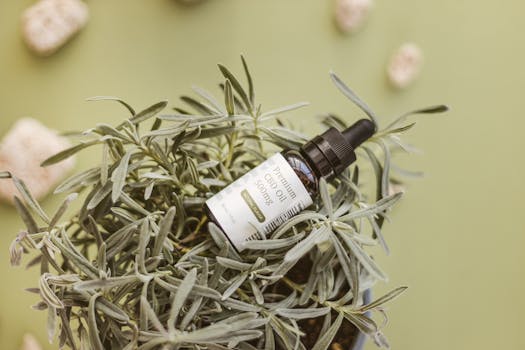
CBD tinctures are arguably the most popular entry point for many. These are typically oil-based solutions that you administer sublingually (under the tongue). The magic here is absorption: holding the oil under your tongue allows the cannabinoids to enter your bloodstream directly through the mucous membranes, bypassing the digestive system for a quicker onset.
Pros: Relatively fast-acting, easy to dose precisely, and incredibly versatile. You can easily adjust the number of drops.
Cons: The taste can be a bit earthy for some, and effects might not last as long as edibles.
Pro Tip: Try to hold the tincture under your tongue for at least 60-90 seconds before swallowing. This really maximizes absorption.
#### Edibles: The Deliciously Slow Burn
Who doesn’t love a tasty gummy or a chocolate bar? CBD edibles are a treat for your taste buds and a convenient way to consume CBD. However, this method involves digestion, meaning the CBD has to travel through your stomach and liver before entering your bloodstream.
Pros: Discreet, long-lasting effects, and a pleasant way to consume CBD.
Cons: The slowest onset time (often 30 minutes to 2 hours), and it can be harder to precisely control your dose on the fly.
My Two Cents: If you’re using edibles, I always recommend starting with a lower dose than you think you need and waiting a full two hours before considering taking more. Patience is a virtue, especially with edibles!
#### Topicals: For Targeted Comfort
Creams, balms, and lotions infused with CBD are fantastic for localized relief. If you’re experiencing discomfort in a specific area, like a sore knee or tired muscles, topicals can be a game-changer. They work by interacting with cannabinoid receptors in your skin, offering a targeted approach.
Pros: Great for specific areas, no psychoactive effects, and don’t enter the bloodstream, so no risk of impacting drug tests.
Cons: Not suitable for systemic effects, and results can vary depending on the formulation and individual skin absorption.
The Art of Dosage: Less is Often More (Especially at First)
This is where things can get a little dicey, and frankly, where a lot of confusion arises. When it comes to taking cannabidiol, there’s no universal magic number. Your ideal dose is as unique as your fingerprint. It depends on your body weight, metabolism, the condition you’re trying to address, and the potency of the product.
#### Finding Your Starting Point: The “Low and Slow” Mantra
I can’t stress this enough: start low and go slow. This isn’t the time to channel your inner daredevil. For most people, beginning with a very small dose – perhaps 5-10 mg of CBD – is the wisest approach. After a few days of consistency, if you’re not experiencing the desired effects, you can gradually increase the dose.
#### What to Watch For: Signs You Might Need More (or Less!)
How do you know if your dose is right? Pay attention to your body.
Feeling nothing? You might need to increase your dose slightly or try a different method of administration.
Feeling a bit too “out of it” or experiencing mild side effects like fatigue? You might have taken a bit too much. Reduce your dose next time.
Feeling just right? Congratulations, you’ve found your sweet spot! Stick with it for a while before considering adjustments.
If you’re enjoying this, crackstube.com has plenty more worth a look.
Understanding the Timing: When to Take Your CBD
The “when” is just as important as the “how much.” Consistency is key when it comes to experiencing the full benefits of taking cannabidiol.
#### Daily Routine vs. As-Needed
For ongoing wellness support, like managing daily stress or promoting better sleep, incorporating CBD into your daily routine makes the most sense. Many people find taking it at the same time each day helps maintain consistent levels in their system.
Morning: For daytime focus and stress management.
Evening: To wind down and prepare for sleep.
If you’re using CBD for occasional discomfort, you might opt for an “as-needed” approach, taking it when you anticipate needing support. However, even then, some users find a consistent low dose works better than sporadic higher doses.
What to
Actually Expect: The Nuances of CBD’s Effects
Let’s set realistic expectations. CBD is not a miracle cure-all, and its effects can be subtle. It’s more about promoting balance and supporting your body’s natural systems.
#### The “Entourage Effect” and Full-Spectrum CBD
Many experts, myself included, believe that the magic of the cannabis plant lies in what’s called the “entourage effect.” This is the idea that all the compounds in the plant – cannabinoids, terpenes, and flavonoids – work synergistically, amplifying each other’s benefits. Full-spectrum CBD products contain a range of these compounds, including trace amounts of THC (legally less than 0.3%).
Full-Spectrum: Contains all compounds, including trace THC. Offers the full entourage effect.
Broad-Spectrum: Contains most compounds but has THC removed. Still offers an entourage effect, minus THC.
Isolate: Pure CBD. No other cannabinoids or terpenes.
While CBD isolate is an option, many find that full-spectrum or broad-spectrum products offer a more robust experience when taking cannabidiol.
#### Patience is a Virtue: CBD Isn’t Instant Gratification
Unlike a pain reliever that might kick in within an hour, CBD often takes time to build up in your system. Don’t get discouraged if you don’t feel a dramatic shift immediately. Give it a few days, or even a couple of weeks, of consistent use to truly assess its impact.
Navigating the Legal Landscape and Product Quality
This might not be the most exciting part, but it’s crucial. The legality of CBD can be a bit of a patchwork quilt depending on where you live. Furthermore, the market is flooded with products, and not all of them are created equal.
#### Understanding Product Labels
Always look for products that have been third-party lab tested. This ensures that the CBD content is accurate and that the product is free from harmful contaminants like heavy metals and pesticides. The Certificate of Analysis (COA) is your best friend here.
Potency: Does the label accurately reflect the CBD and THC content?
Purity: Is it free from unwanted guests?
Source: Is the hemp grown responsibly?
The Takeaway: Empowering Your CBD Journey
Approaching taking cannabidiol with informed curiosity, a commitment to starting slow, and a keen eye on product quality will set you up for a more positive and effective experience. It’s about understanding that this isn’t a one-size-fits-all solution, but rather a personal journey of discovery.
So, as you consider incorporating CBD into your wellness routine, ask yourself: What is one small, consistent step I can take today to better understand my body’s response to cannabidiol?*